
DESIGN AND DEVELOPMENT STAGES

Analysis of client requirements and objectives

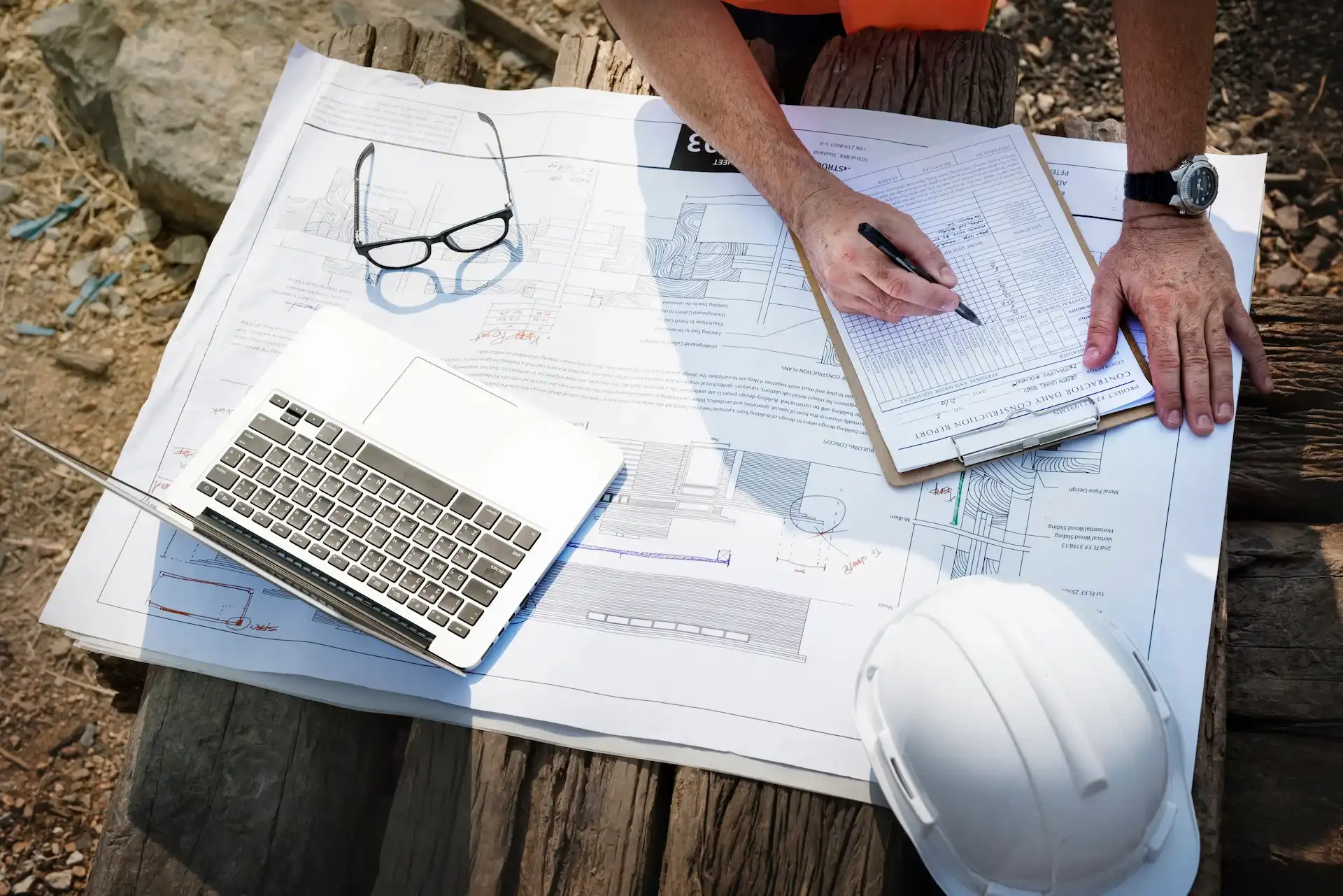
It begins with an assessment of the beneficiary's needs, identifying the project's purpose and specific requirements. The available land, local regulations, and potential technical or environmental constraints are analyzed. The main functional and aesthetic directions are defined, correlated with the budget and client expectations. This stage ensures a solid foundation for the architectural concept and avoids major adjustments in later stages. At the same time, a framework for collaboration between the project team and client is established, clarifying the terms, resources, and essential objectives of the project.

Development of the general plan and technical sketch

The main idea of the project is outlined through a general plan, which includes spatial distribution, functionality, and relationships between different elements. Initial sketches and simulations are created to visualize the concept. The feasibility study verifies economic and technical viability, analyzing environmental impact and urban planning regulations. Material options and construction technologies are evaluated to ensure project efficiency and durability. Finally, the technical sketch provides a clear direction for developing detailed documentation.

Finalization of technical solutions and documentation development
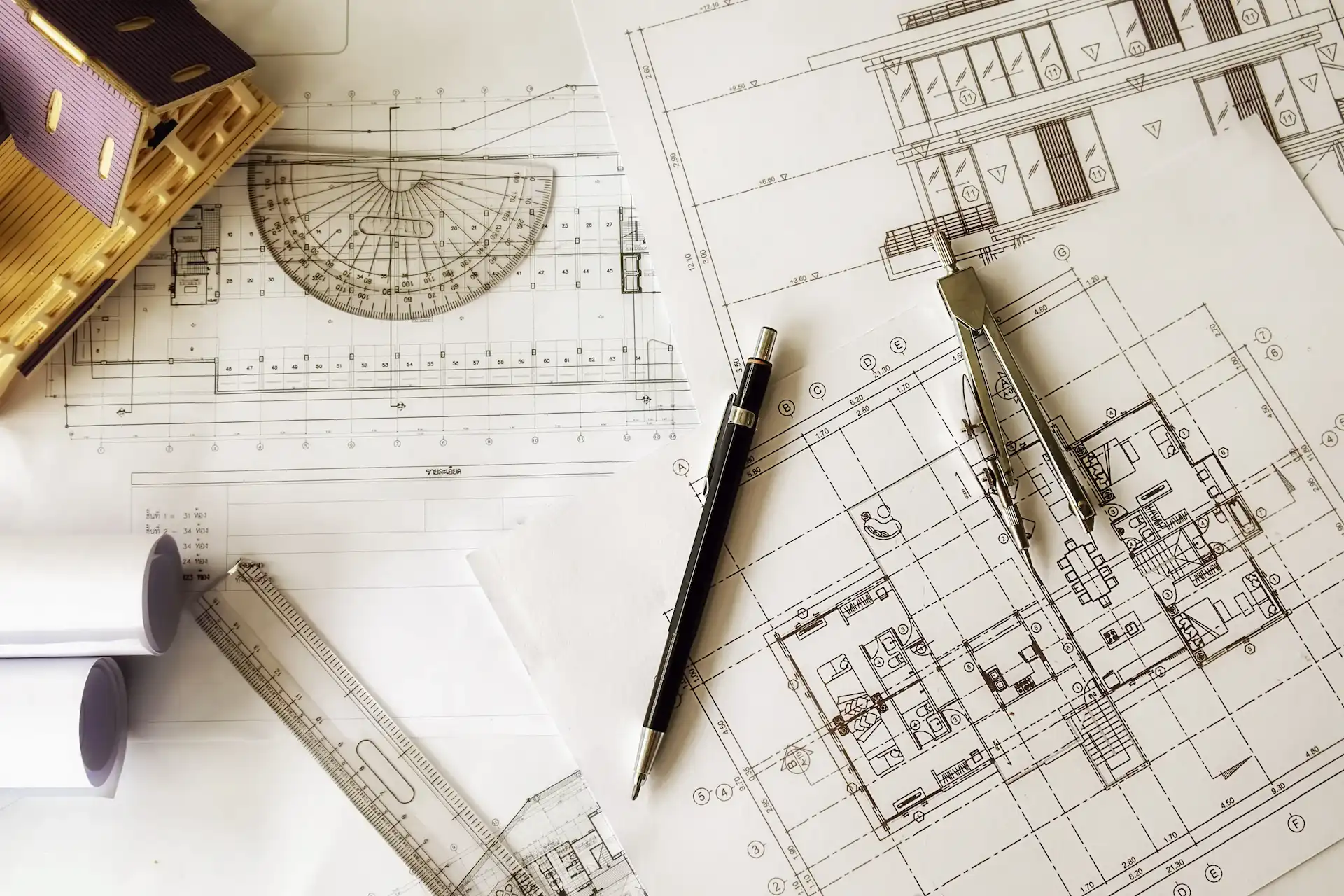
At this stage, the architectural concept is transposed into detailed plans necessary for implementation. Structural solutions, technical installations, and specific materials are established. The documentation includes technical drawings, structural calculations, installation plans, and cost estimates. Compatibility between different specializations involved (architecture, structures, installations) is ensured. This is an essential phase, as the technical documentation forms the basis for execution and necessary approvals. The quality and precision of this stage determine construction efficiency and minimize the risk of errors or delays in execution.

Obtaining necessary permits and approvals

Documents are prepared and submitted to obtain permits and authorizations required by local legislation. This includes urban planning certificates, technical permits (environmental, fire safety, utilities), approvals from the municipality and other relevant institutions. The process involves verifying project compliance with construction, safety, and environmental standards. Depending on project complexity, obtaining permits can take from several weeks to several months. Careful planning and well-prepared documentation ensure process fluidity and avoid administrative blockages that could delay work commencement.

Planning the phasing of construction works
A clear execution calendar is established, divided into successive phases, for efficient resource utilization. Priorities, activity sequence, and execution methods are defined. This stage helps prevent financial and technical blockages, allowing rapid adjustments in case of unforeseen obstacles. The teams involved are coordinated and necessary resources are allocated for each stage. Good planning reduces the risk of delays and cost overruns, ensuring work proceeds in an organized and efficient manner.

Technical project reception and obtaining final permits

After completing the technical documentation, it is subject to verification by authorities and responsible teams. Final adjustments and corrections are made if necessary. The project is analyzed for compliance with legal requirements and safety standards. Once approved, final authorizations are obtained that permit execution to begin. This stage represents the official validation of the project and provides assurance that all technical, aesthetic, and functional aspects comply with current regulations, thus ensuring an execution process without major impediments.
Decoration Banner

get in touch with us

SHARE YOUR IDEAS

contact